The livestream landscape for e-commerce in China
11/10/2022Today, if you are doing business in China as a consumer brand, a presence on one of the bigger e-commerce platforms will be inevitable, and if you are selling your products online in China, something you will encounter sooner or later is KOL livestreaming. However, recently we have seen some new developments in this respect, which may have an impact on the livestream landscape.
What is livestreaming?
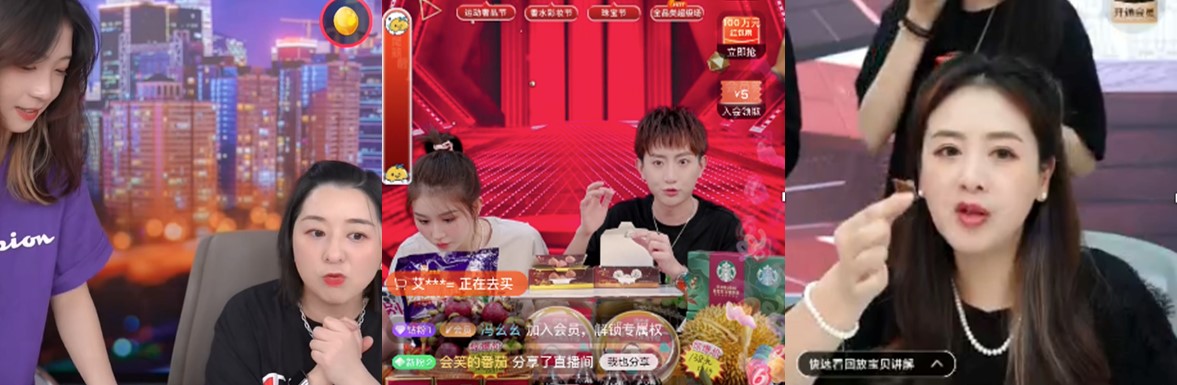
A multi-billion dollar industry, livestreaming in China has grown rapidly over the years and for many brands it has become an inevitable part of their marketing mix. During these online live shows, Key Opinion Leaders or KOLs, comparable to influencers but often with hundreds of thousands if not millions of fans, entertain their audience by introducing and reviewing dozens of products, singing and dancing, and directly answering questions in the live chat. During these streams, viewers can purchase the reviewed products within a period of time, often at steep discounts.

On certain occasions, products have sold out on online stores after having been featured on a big KOL’s live broadcast. This has led many domestic and foreign brands to stand line up to become the next overnight success, often with KOLs demanding a high ‘appearance fee’ and commission, while also asking brands to offer their audience the lowest possible discount. We too have had KOLs promote our brands from the Belgian Food & Beverage Flagship Store on Tmall Global (比利时Interact海外专营店), with varying success.
Rapid growth and regulation
As with many things in China, the rapid growth of livestreaming had legislation lagging behind for years, leading the industry to have a relatively loose regulation. However, in recent months, some of the most famous KOLs have come under scrutiny with the legislators over accounts of tax evasion or undesired behaviour.
The most recent example of this is Li Jiaqi, the “Lipstick King”, whose livestream on June 3 was abruptly cut off and who did not reappear until September 20 in what was intended as a quiet re-emergence yet still attracted over 63 million viewers. No official reasons for his disappearance were given. However, a couple of days after his livestream in June, China’s State Administration of Radio, Film and Television and Ministry of Culture and Tourism published the Code of Conduct of Online Presenters. This Code aims to draw the line in terms of acceptable behaviour for anyone who hosts livestreams.
The future of livestreaming
Does this mean that the days of livestreaming are over in China? In their Code, the Administration and Ministry acknowledge the positive effects livestreaming has had on the economic development of the country, so we expect to see the industry growing more sustainably after a period of explosive expansion, rather than completely shutting down.
For our Tmall Global shop’s products, we have seen a declining success rate for livestreams, which has led us to shuffle the share of livestreaming in our marketing mix, but not to completely discard the option. Depending on the product, livestreaming is still a great tool to create brand awareness with a large audience in China and boost your sales. The major difference is that brands selling their products on e-commerce in China should manage their expectations and see livestreaming as only one of the many marketing channels they can choose from. Alternative options are for example short videos on Douyin, photos on Little Red Book, selling on Pinduoduo, and obviously also having a presence on WeChat and Weibo. More on Chinese social media here.
Contact us for more information on Chinese e-commerce and Chinese social media marketing.
|