Five main differences between Western and Chinese social media
24/11/2023Social media in the Western world and in China differ significantly in terms of platforms, accessibility, censorship, user behaviour, and business models. As a European company, both in B2B as well as in B2C, if you are active in China or planning to become active in China, you should also consider your marketing strategy for China and be present on one or more of the Chinese social media channels.
Here are the main differences between Western and Chinese social media:
Difference Nr. 1: Accessibility
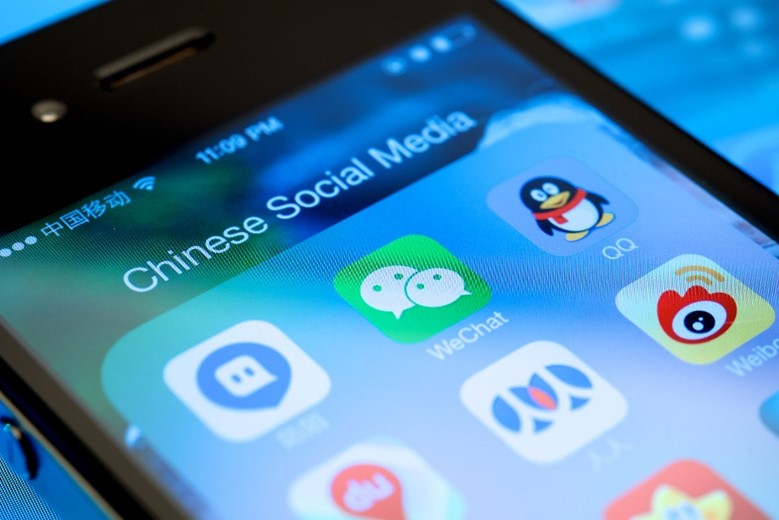
Most people know that Western social media are blocked in China. Platforms like Facebook, Twitter, Instagram and LinkedIn dominate the Western social media landscape, but in China, the most popular apps are WeChat, Douyin (the Chinese version of TikTok), Weibo, Little Red Book and others. Chinese social media platforms are primarily used within China and by the Chinese diaspora. They have limited global reach due to the language barrier and government restrictions.
Difference Nr. 2: Censorship and content control
The Chinese government exerts strict control over its social media platforms. Content is heavily censored to align with government policies, which can include restrictions on political discourse, sensitive topics, and criticism of the government. The "Great Firewall of China" blocks access to many foreign platforms and websites. In the West, content restrictions are often based on community guidelines and government regulations related to hate speech, harassment, or illegal content.

Difference Nr. 3: Functions and uses
Although in some cases the borders are fading, most Western platforms and apps are divided into apps for private use, such as Facebook, Instagram, Snapchat, and professional-use apps, such as Twitter (now called ‘X’), LinkedIn and others. In China there is basically no separation between private and business apps. Most social media apps in China are used for both private and business purposes and include multiple functions, such as chatting, shopping, making payments, ordering food, livestreaming, mobility and booking services. Mini apps are very popular and frequently used by Chinese citizens in daily live and for professional use. As a consequence, user behaviour in China is highly influenced by the integrated nature of these social media channels.
Difference Nr. 4: Income generation
The big majority of Chinese citizens have linked their apps with digital payment systems, such as Alipay, WeChat pay and Union Pay. As a result, In China, social media platforms often have more diverse revenue streams. WeChat, for example, integrates e-commerce and payment services, allowing users to shop, make reservations, and pay for services directly within the app. Advertising is also a significant source of revenue, but it's combined with various other services. Many Western social media platforms rely mostly on advertising revenue as their primary source of income. They collect user data to target ads to specific demographics.
Difference Nr. 5: Privacy and data handling
Concerns about user data privacy have led to regulatory actions like the General Data Protection Regulation (GDPR) in Europe. Western social media companies are under scrutiny for their data handling practices. While concerns about data privacy exist in China, the government plays a significant role in data regulation. Chinese social media platforms often store data locally, making it subject to government access and control.
In summary, the differences between Western and Chinese social media are rooted in cultural, political and economic factors. These distinctions affect user experience, content and the way social media platforms are used and regulated in their respective regions.

|